

The secret of tuning in closely to the rice and preserving its deliciousness
Different Cooking Functions and Keeping Warm
The features for preserving deliciousnessof each type of rice,
which Tiger boasts
1-Go Ryotei-Daki
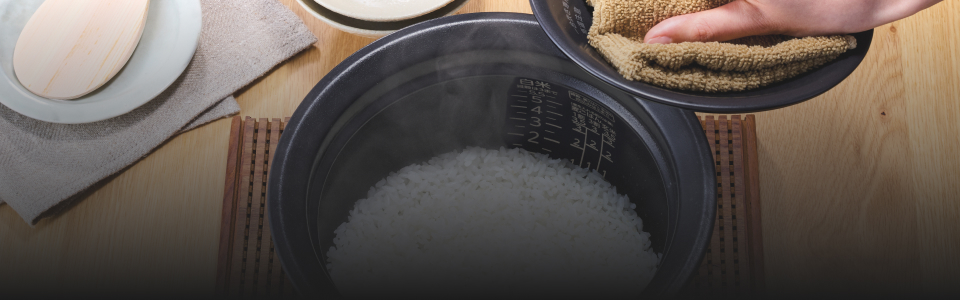
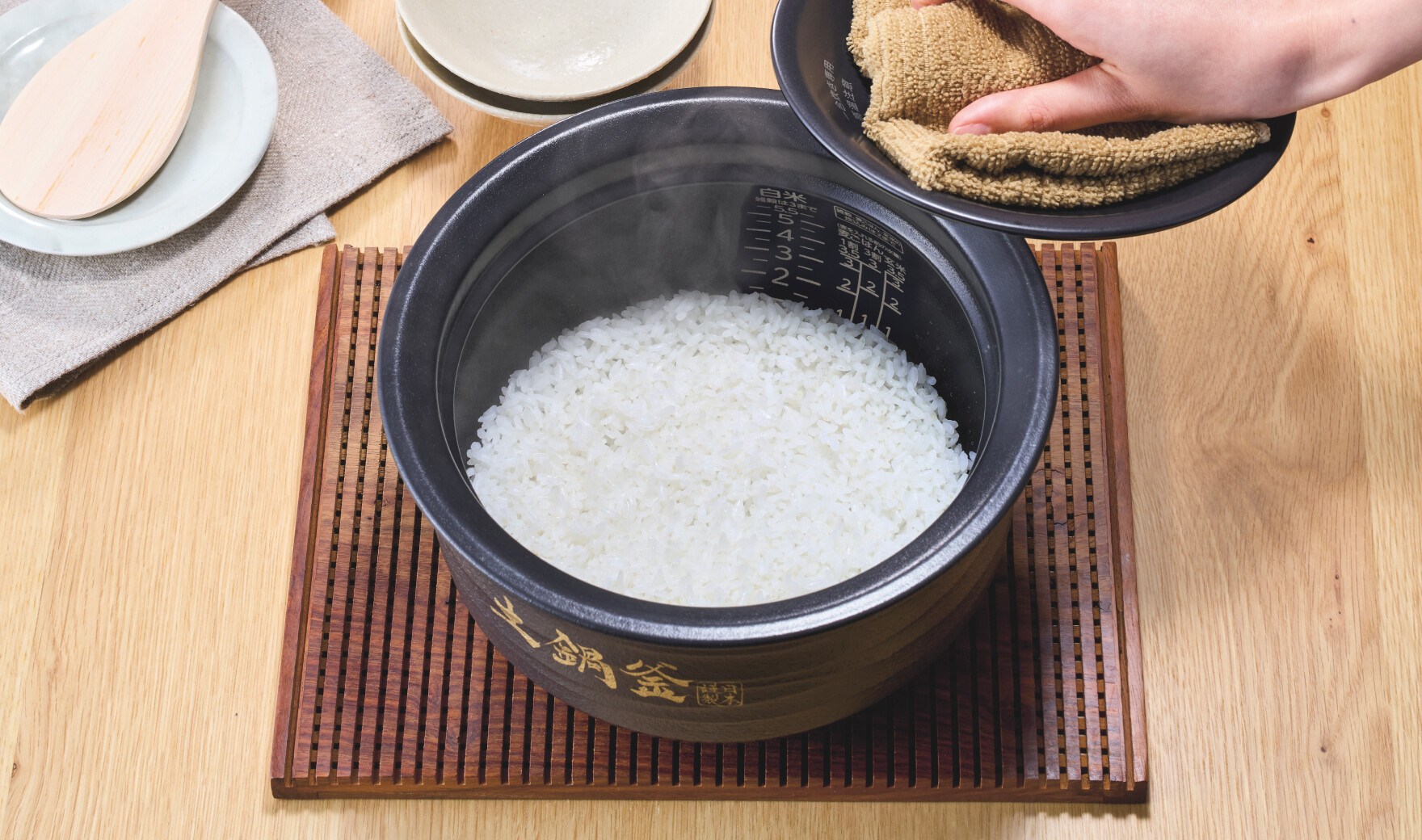
By physically reducing cooking space using the dedicated inner lid,
an optimal space for cooking a single cup of rice is created.
The lid can also be used to cook small portions of rice (0.5 go) and to cook rice in the Mixed setting.
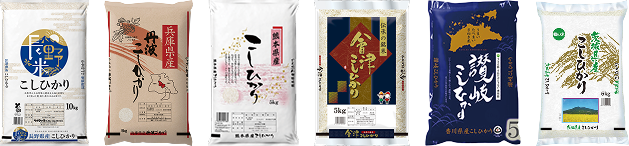
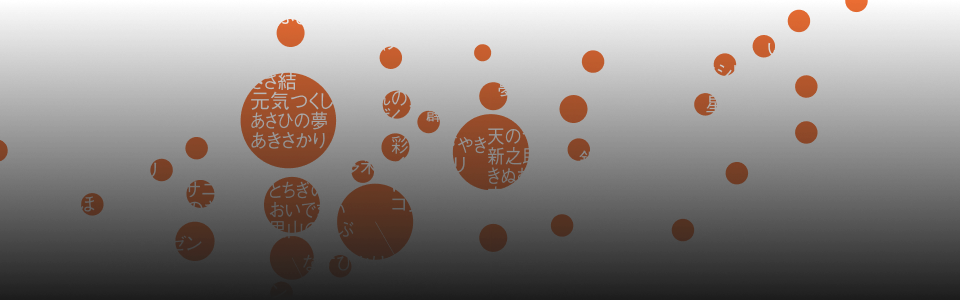
85 types of brand/region-specific cooking for
79 brands in 6 regions
This is made possible by the cooperation of the Association of Certified Rice Flavor
Analysts, which organizes the International Contest on Rice Taste Evaluation, the largest rice competition in Japan and abroad.
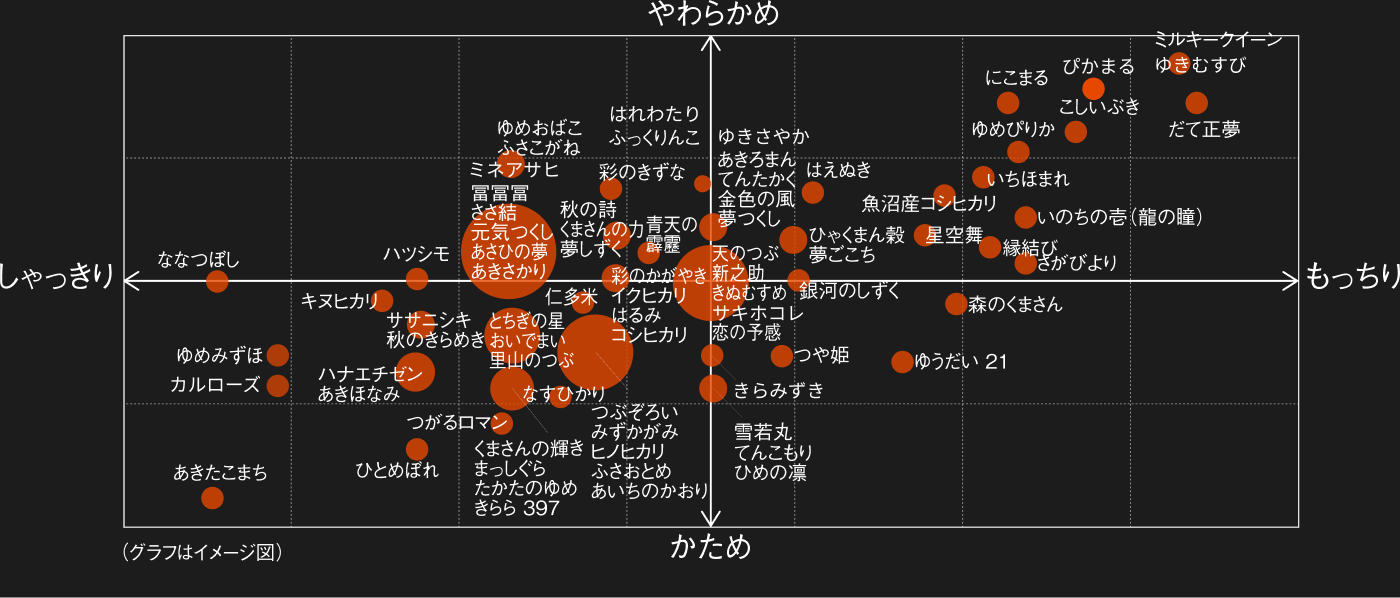
We utilize the measurement data of more than about 5,700 brands of rice examined by the association.
The characteristics of each brand of rice, such as moisture, protein, and amylose content, are scientifically analyzed in detail to ensure that the rice is cooked in a delicious way that suits each type of rice.
The Tiger's unique innovative cooking functions reflect the passion of the rice producers into the taste of the rice.

You can scroll horizontally.
- あ
- か
- さ
- た
- な
- は
- ま
- や
- ら
- わ
| Rice Brand Name | Main production area | Basic information on the texture of rice | No | |
|---|---|---|---|---|
| Aichi no Kaori | Aichi |
|
|
1 |
| Akisakari | Tokushima |
|
|
2 |
| Akitakomachi | Akita |
|
|
3 |
| Aki no Uta | Shiga |
|
|
4 |
| Aki no Kirameki | Akita |
|
|
5 |
| Akihonami | kagoshima |
|
|
6 |
| Akiroman | Hiroshima |
|
|
7 |
| Asahi no Yume | Aichi |
|
|
8 |
| Ikuhikari | Fukui |
|
|
9 |
| Ichihomare | Fukui |
|
|
10 |
| Inochi no Ichi | Gifu |
|
|
11 |
| Enmusubi | Shimane |
|
|
12 |
| Oidemai | Kagawa |
|
|
13 |
| Calrose | USA |
|
|
14 |
| Kinuhikari | Kyoto |
|
|
15 |
| Kinumusume | Tottori |
|
|
16 |
| Kiramizuki | Shiga |
|
|
17 |
| Kirara 397 | Hokkaido |
|
|
18 |
| Ginga no Shizuku | Iwate |
|
|
19 |
| Kuma-san no Kagayaki | Kumamoto |
|
|
20 |
| Kuma-san no Chikara | Kumamoto |
|
|
21 |
| Genki Tsukushi | Fukuoka |
|
|
22 |
| Koi no Yokan | Hiroshima |
|
|
23 |
| Koshiibuki | Niigata |
|
|
24 |
| Koshihikari | All over Japan |
|
|
25 |
| Uonuma Koshihikari | Niigata |
|
|
26 |
| Konjiki no Kaze | Iwate |
|
|
27 |
| Sai no Kagayaki | Saitama |
|
|
28 |
| Sai no Kizuna | Saitama |
|
|
29 |
| Sagabiyori | Saga |
|
|
30 |
| Sakihokore | Akita |
|
|
31 |
| Sasanishiki | Miyagi |
|
|
32 |
| Sasamusubi | Miyagi |
|
|
33 |
| Satoyama-no-Tsubu | Fukushima |
|
|
34 |
| Shinnosuke | Niigata |
|
|
35 |
| Seiten no Hekireki | Aomori |
|
|
36 |
| Takata no Yume | Iwate |
|
|
37 |
| Date Masayume | Miyagi |
|
|
38 |
| Tsugaru Roman | Aomori |
|
|
39 |
| Tsubuzoroi | Akita |
|
|
40 |
| Tsuyahime | Yamagata |
|
|
41 |
| Tenkomori | Toyama |
|
|
42 |
| Tentakaku | Toyama |
|
|
43 |
| Ten-no-Tsubu | Fukushima |
|
|
44 |
| Tochigi no Hoshi | Tochigi |
|
|
45 |
| Nasuhikari | Tochigi |
|
|
46 |
| Nanatsuboshi | Hokkaido |
|
|
47 |
| Nikomaru | Nagasaki |
|
|
48 |
| Nitamai | Shimane |
|
|
49 |
| Haenuki | Yamagata |
|
|
50 |
| Hatsushimo | Gifu |
|
|
51 |
| Hanaechizen | Fukui |
|
|
52 |
| Harumi | Kanagawa |
|
|
53 |
| Harewatari | Aomori |
|
|
54 |
| Pikamaru | Nagasaki |
|
|
55 |
| Hitomebore | Iwate |
|
|
56 |
| Hinohikari | Kumamoto |
|
|
57 |
| Hime no Rin | Ehime |
|
|
58 |
| Hyakumangoku | Ishikawa |
|
|
59 |
| Fusaotome | Chiba |
|
|
60 |
| Fusakogane | Chiba |
|
|
61 |
| Fukkurinko | Hokkaido |
|
|
62 |
| Fufufu | Toyama |
|
|
63 |
| Hoshizora-mai | Tottori |
|
|
64 |
| Masshigura | Aomori |
|
|
65 |
| Mizukagami | Shiga |
|
|
66 |
| Mineasahi | Aichi |
|
|
67 |
| Milky Queen | Ibaraki |
|
|
68 |
| Mori no Kuma-san | Kumamoto |
|
|
69 |
| Yudai 21 | Tochigi |
|
|
70 |
| Yukisayaka | Hokkaido |
|
|
71 |
| Yukimusubi | Miyagi |
|
|
72 |
| Yukiwakamaru | Yamagata |
|
|
73 |
| Yume Obako | Akita |
|
|
74 |
| Yume Gokochi | Ishikawa |
|
|
75 |
| Yume Shizuku | Saga |
|
|
76 |
| Yume Tsukushi | Fukuoka |
|
|
77 |
| Yumepirika | Hokkaido |
|
|
78 |
| Yume Mizuho | Ishikawa |
|
|
79 |
新米誉れ炊き
New rice Homare-Daki
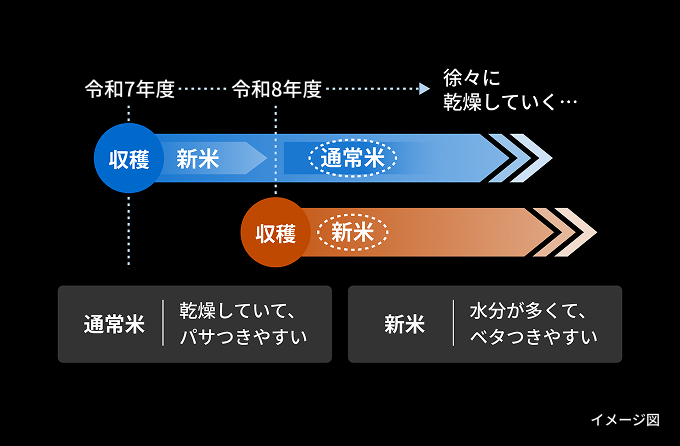
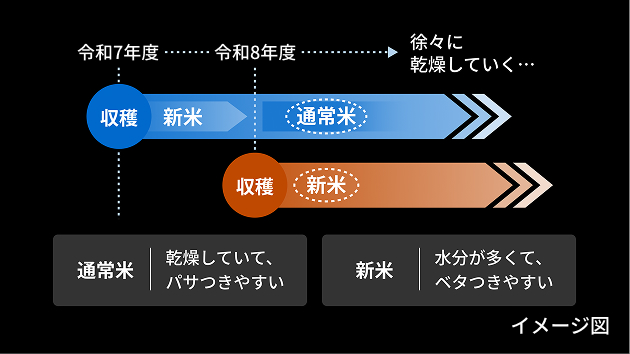
Depending on the region, the new rice of the year is harvested from around the end of August. New rice contains a lot of water and requires some finesse to cook well.
The JRT-A offers a special rice cooking program to bring out the optimal texture of new rice.
By managing water absorption and heating, the system uses exquisite temperature control to adjust the process, ensuring the perfect finish tailored specifically for new crop rice.
Cooking Koshihikari according to production areaProducing-region-specific cooking
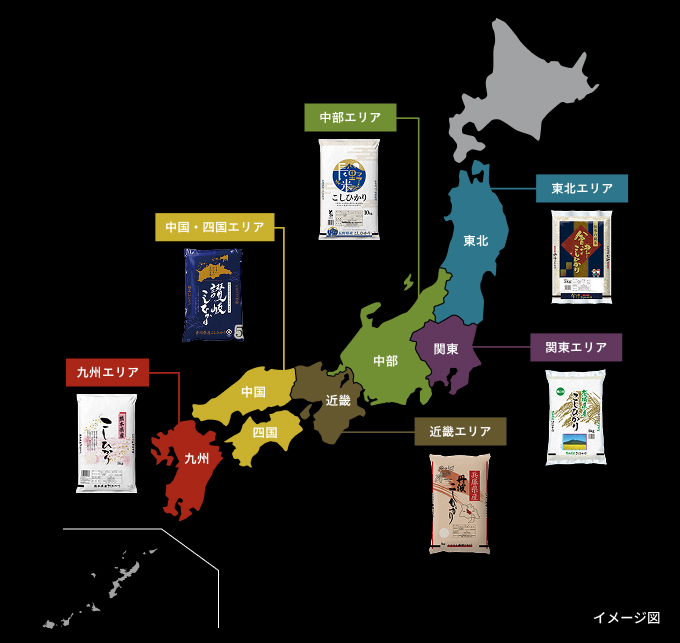
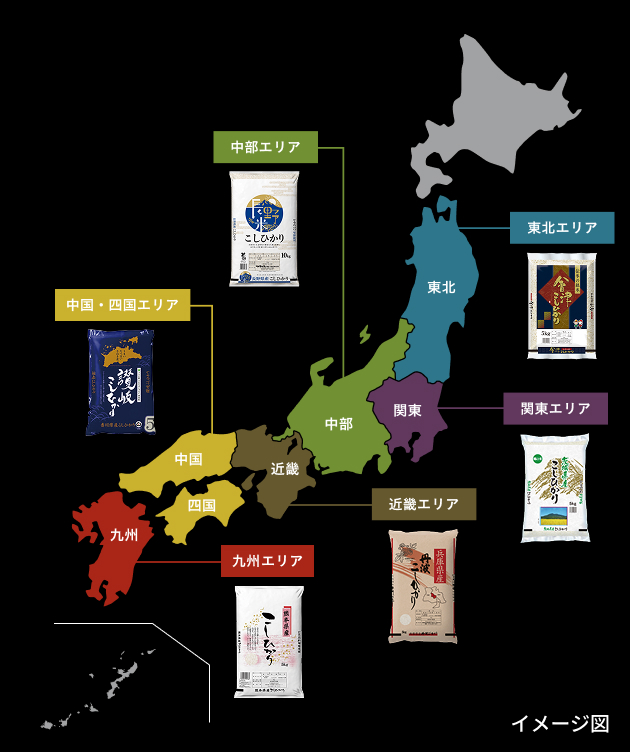
Cooking Koshihikari according to production areaProducing-region-specific cooking
Even among the Koshihikari brands, the characteristics of the rice differ greatly depending on the land, water used, and climate, in the regions where it grows. The producing region-specific cooking feature makes it possible to cook rice differently for each type of the Koshihikari rice grown in six regions of Tohoku, Kanto, Chubu, Kinki, Chugoku/Shikoku, and Kyushu and the two specific Koshihikari brands (rice grown in Uonuma and Nita Rrice).
This feature helps bring out the ideal sweetness, good flavors, and springiness of the rice depending on the producing region.
A variety of cooking settings
helpful for daily meal preparation
多彩な炊飯メニュー
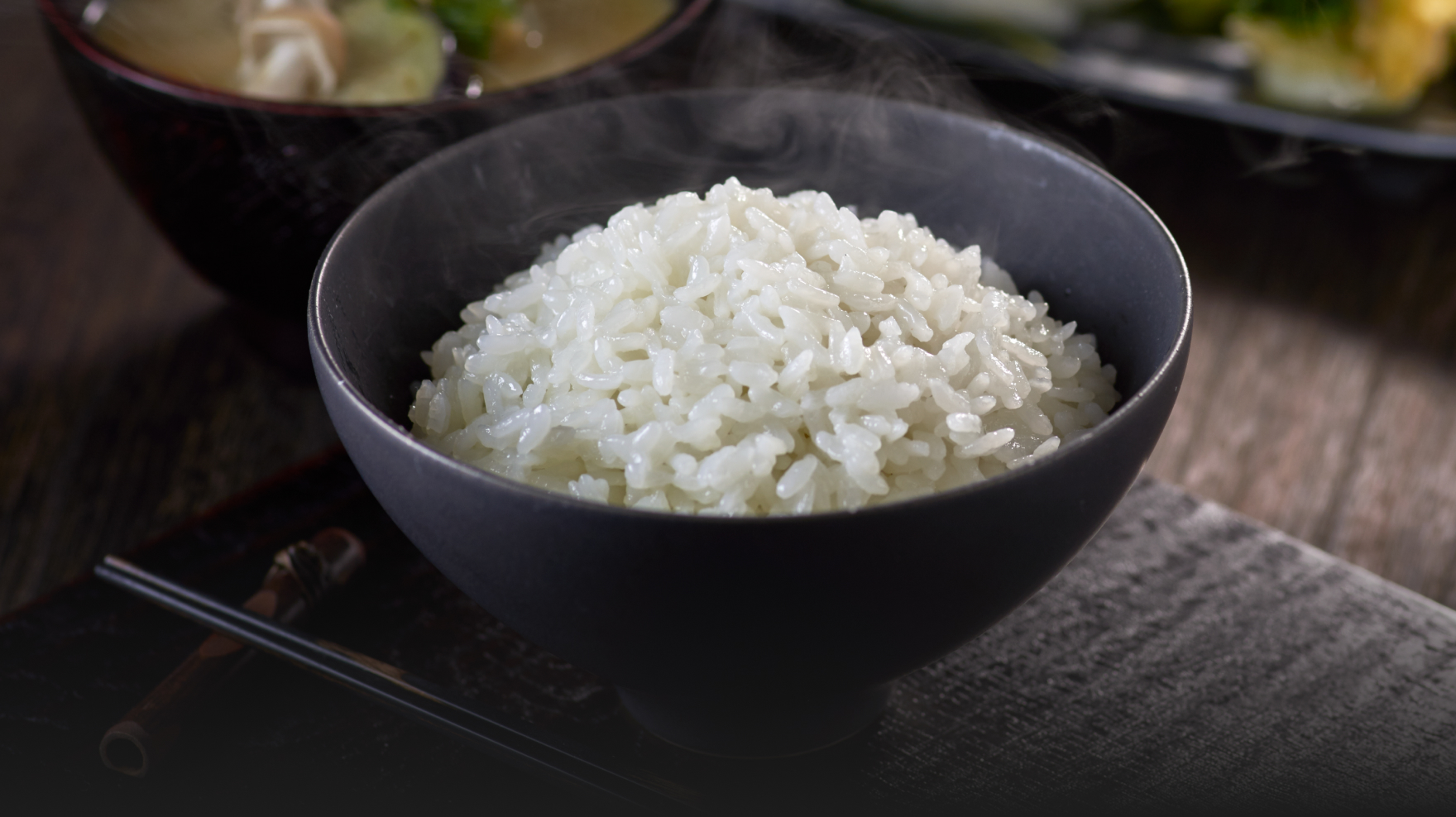
Quick Cook
This setting cooks rice quickly when you are busy
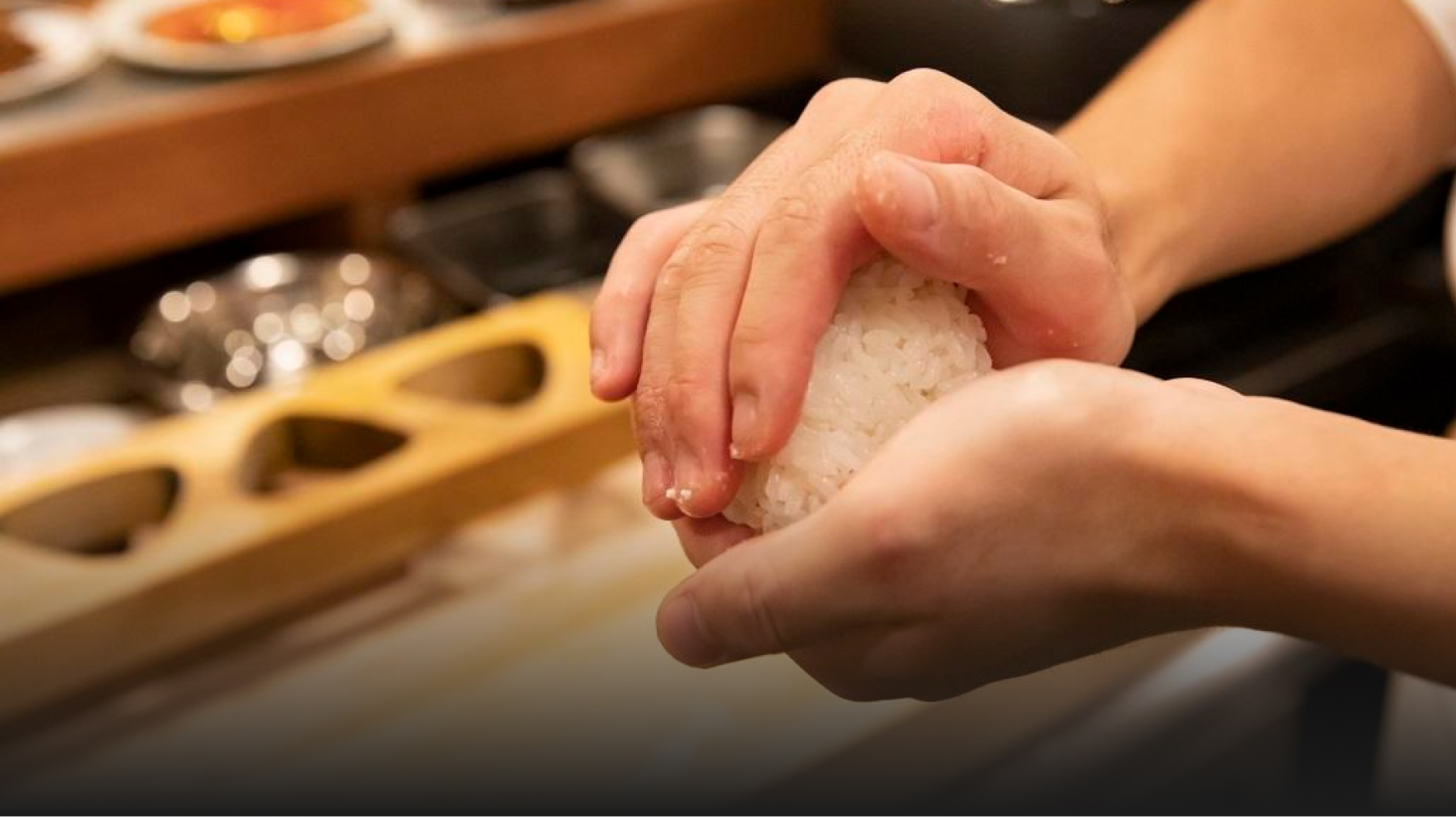
Rice balls
Rice that is delicious even when eaten cold, making it suitable for rice balls
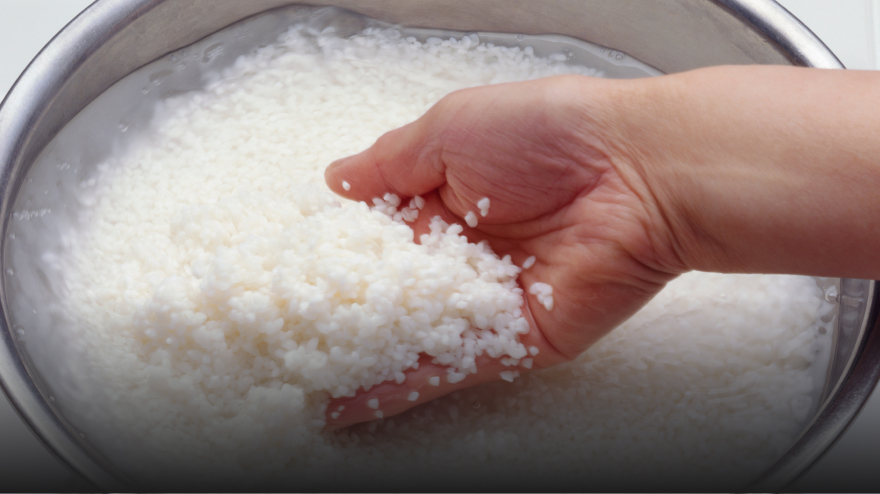
Kiwami Ultra-Low-Temperature Water Soaking Menu
Taking the time to low-temperature water brings out its natural sweetness.
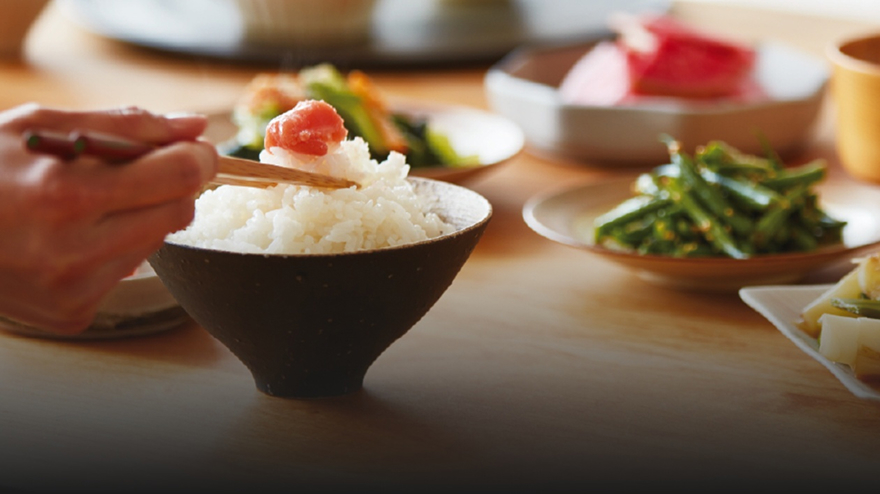
Eco
Setting to save money on electricity while cooking rice
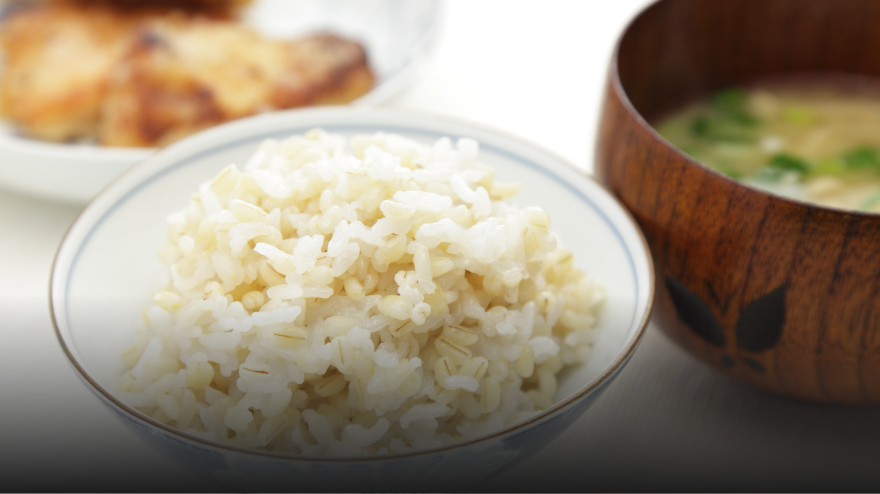
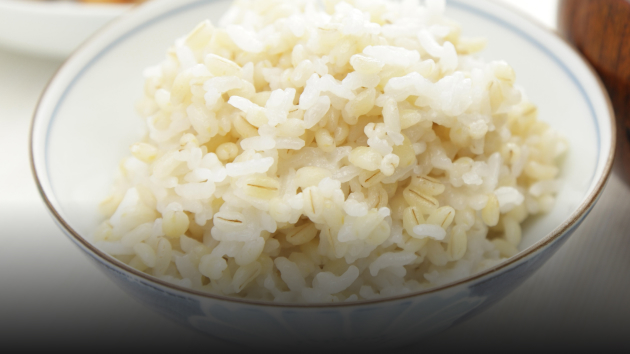
Barley rice
This setting allows the rice to absorb water well and be cooked at high temperatures so that odors specific to barley can be suppressed
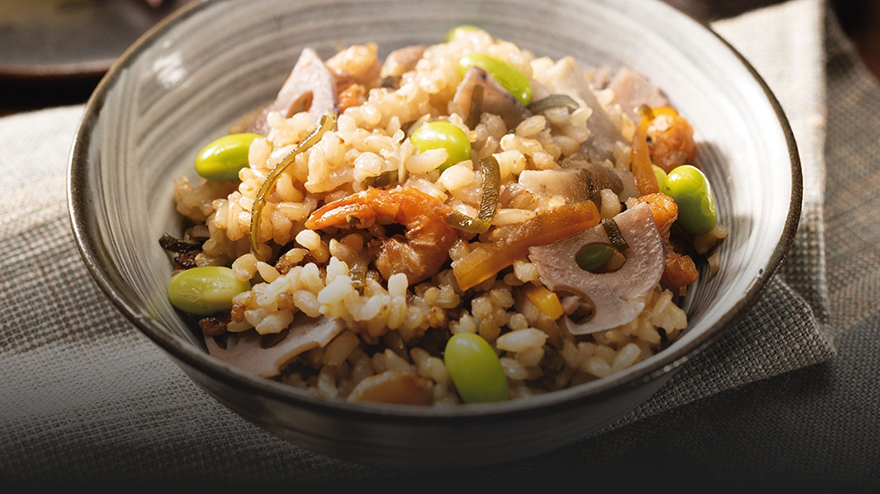
Mixed (Brown Rice)
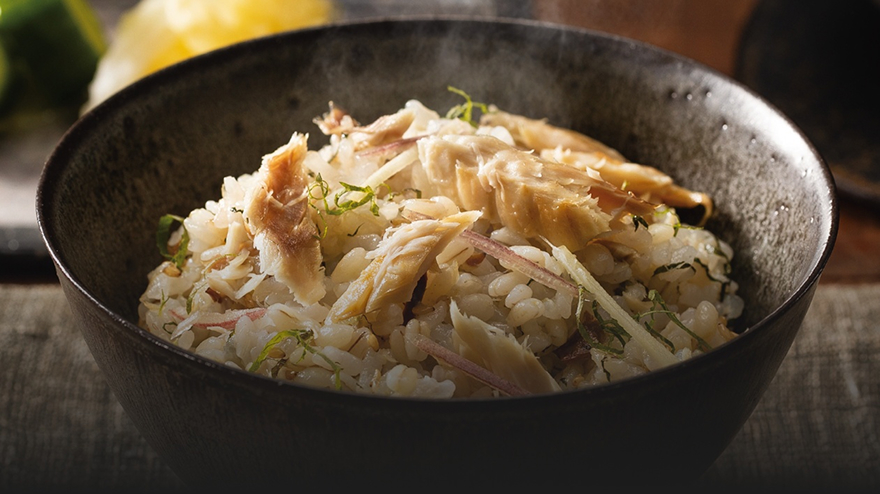
Mixed (Barley rice)
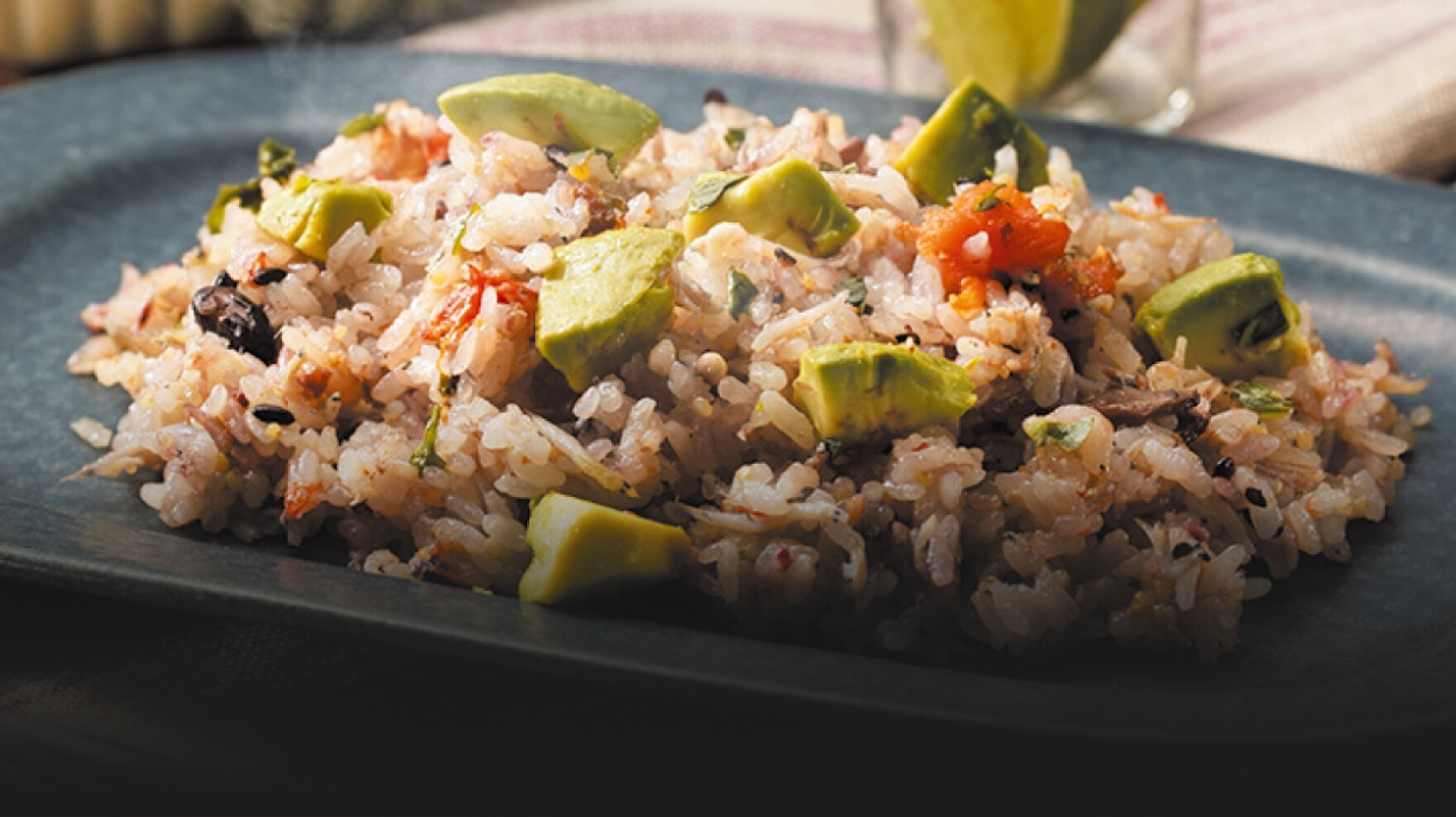
Takikomi (Mixed Grains)
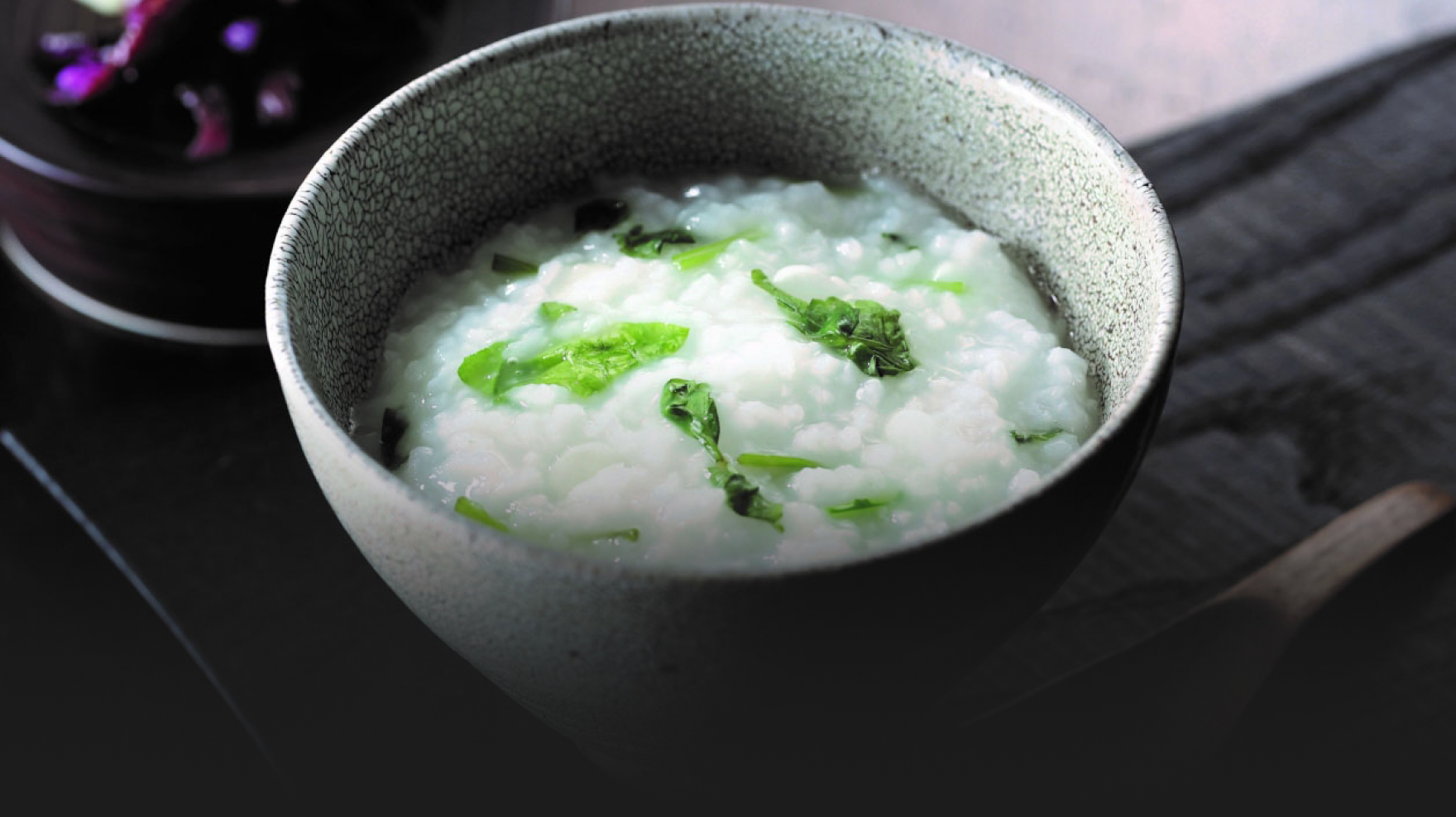
Porridge
These courses are also available for full porridge and porridge cooked with less water
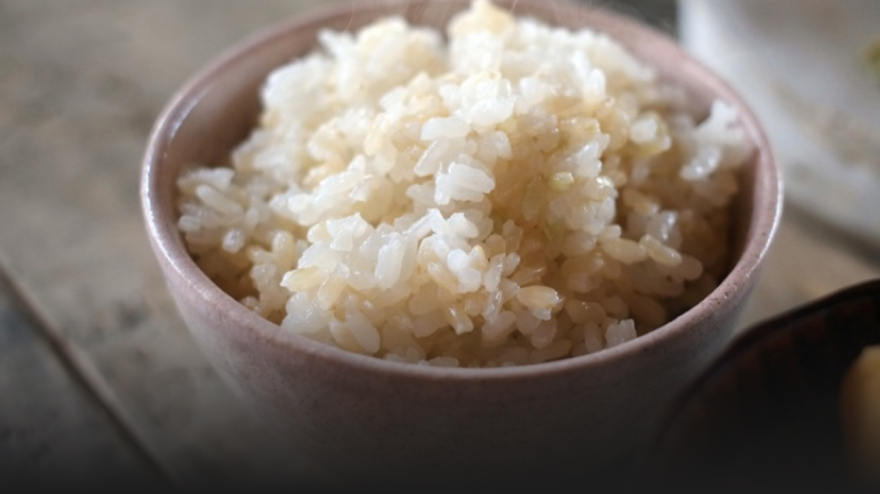
Partially Milled Rice
Our “Partially Milled Rice” menu combines the nutritional benefits of brown rice with the ease of eating white rice
The rice cooker is capable of cooking different textures of rice to suit your preference
Five-level texture selection
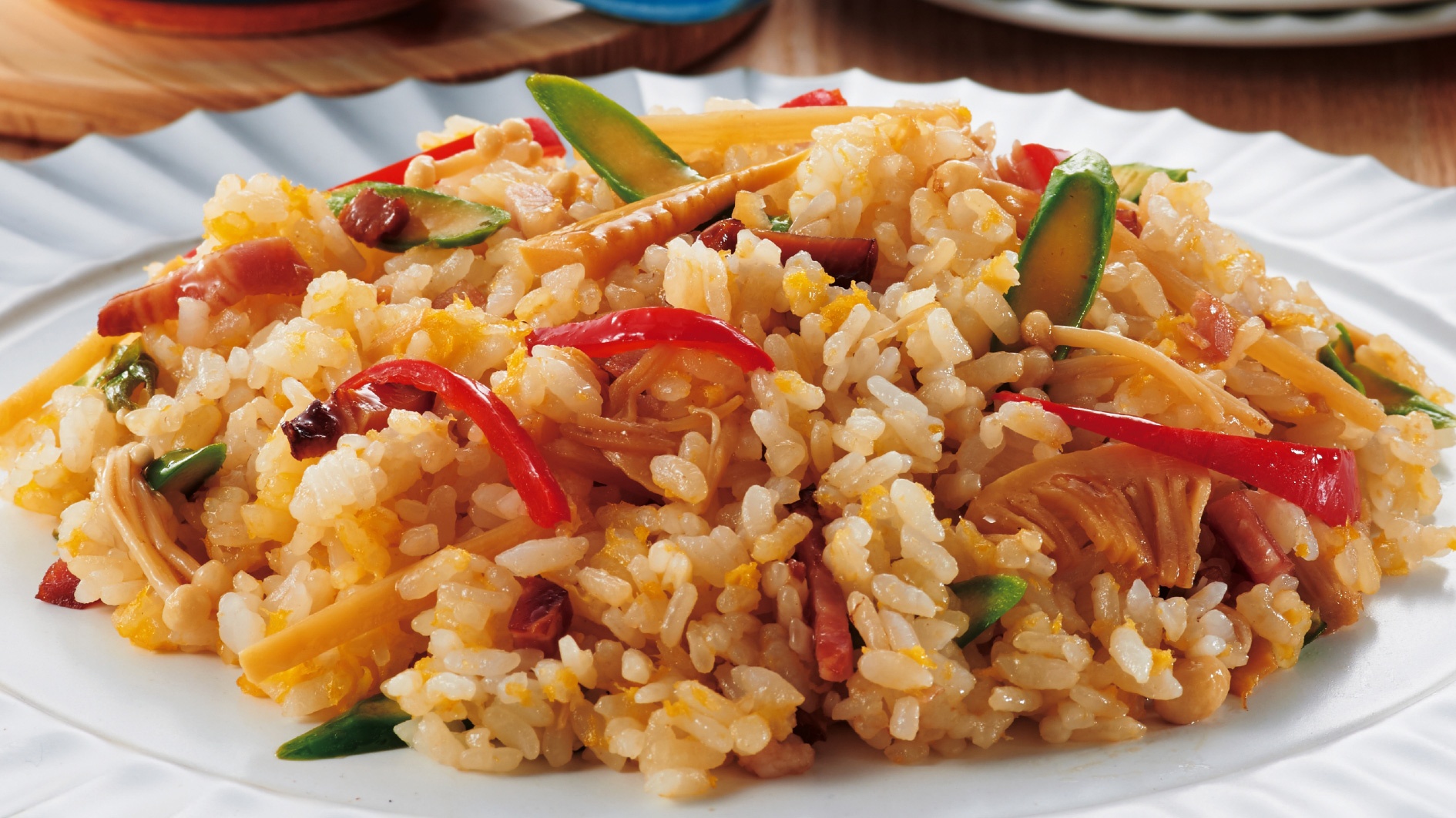
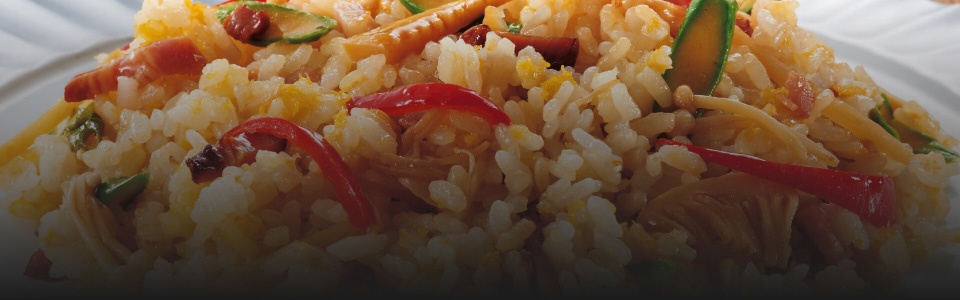
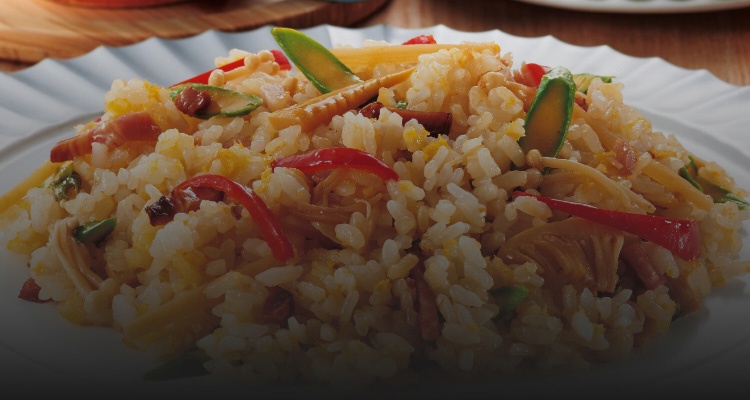
01 Fried rice
Grainy,somewhat crumbly and firm
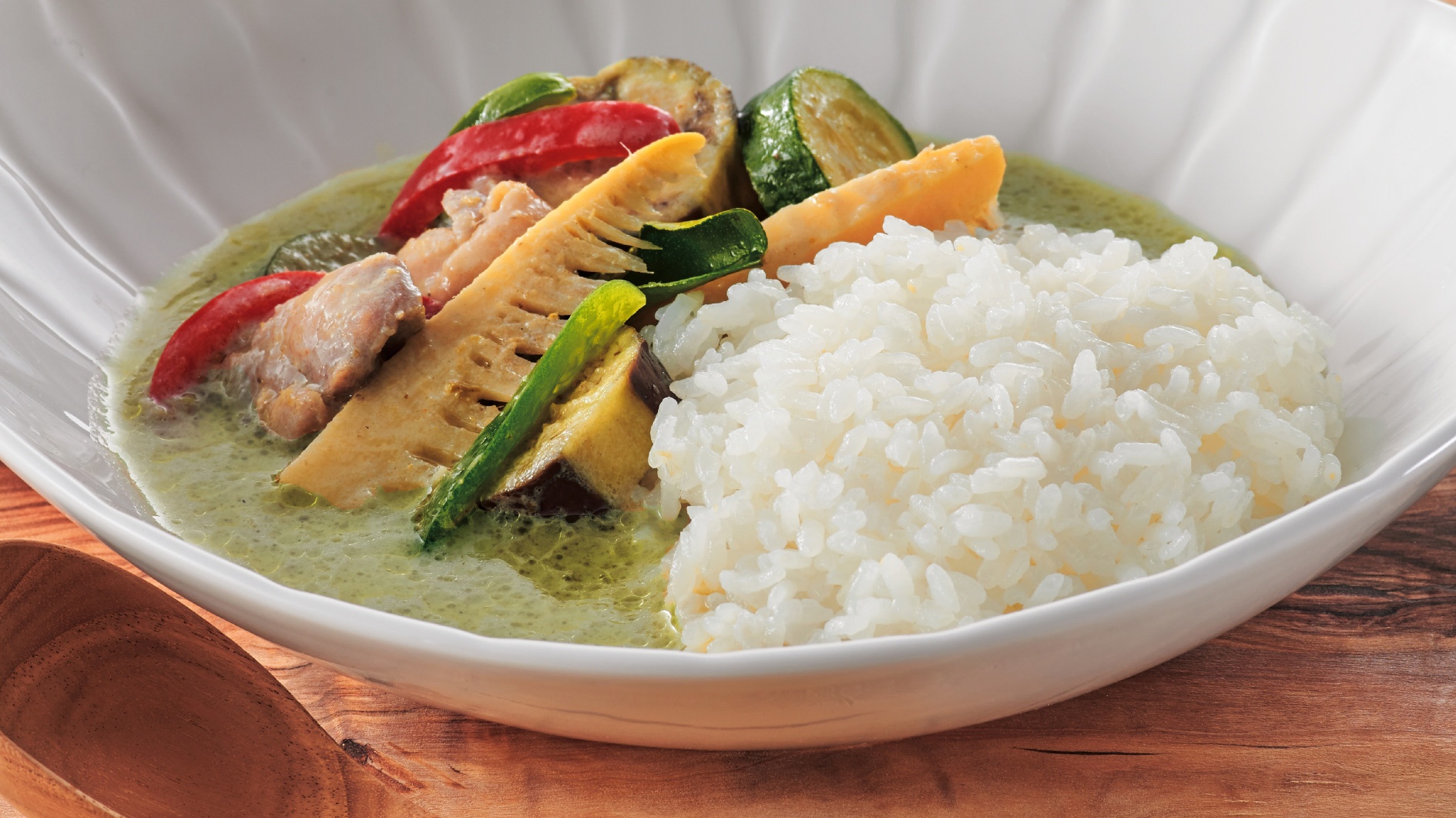
02 Curry
Slightly crisp and firm
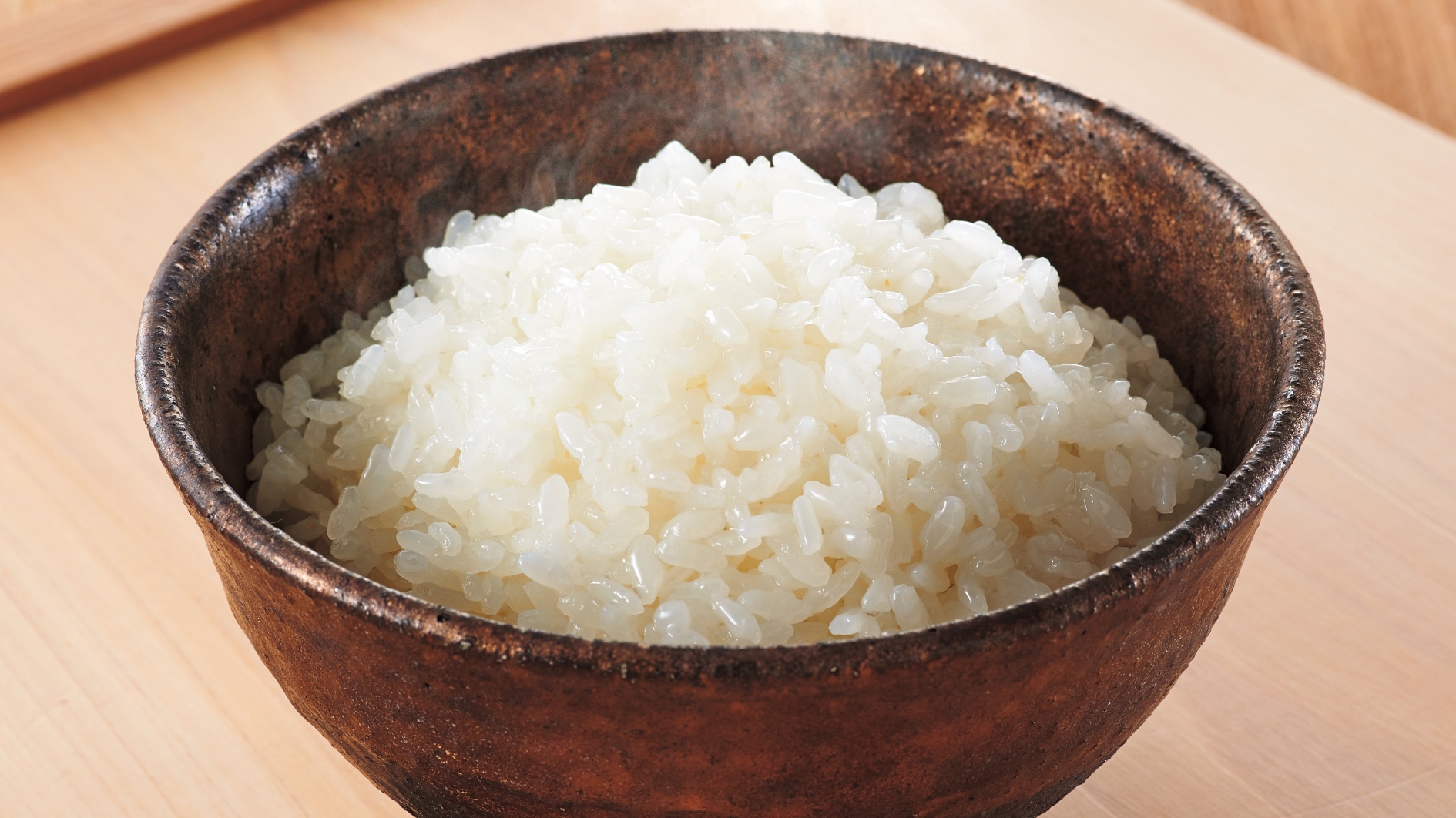
03 White rice
Standard Moderate stickiness and hardness
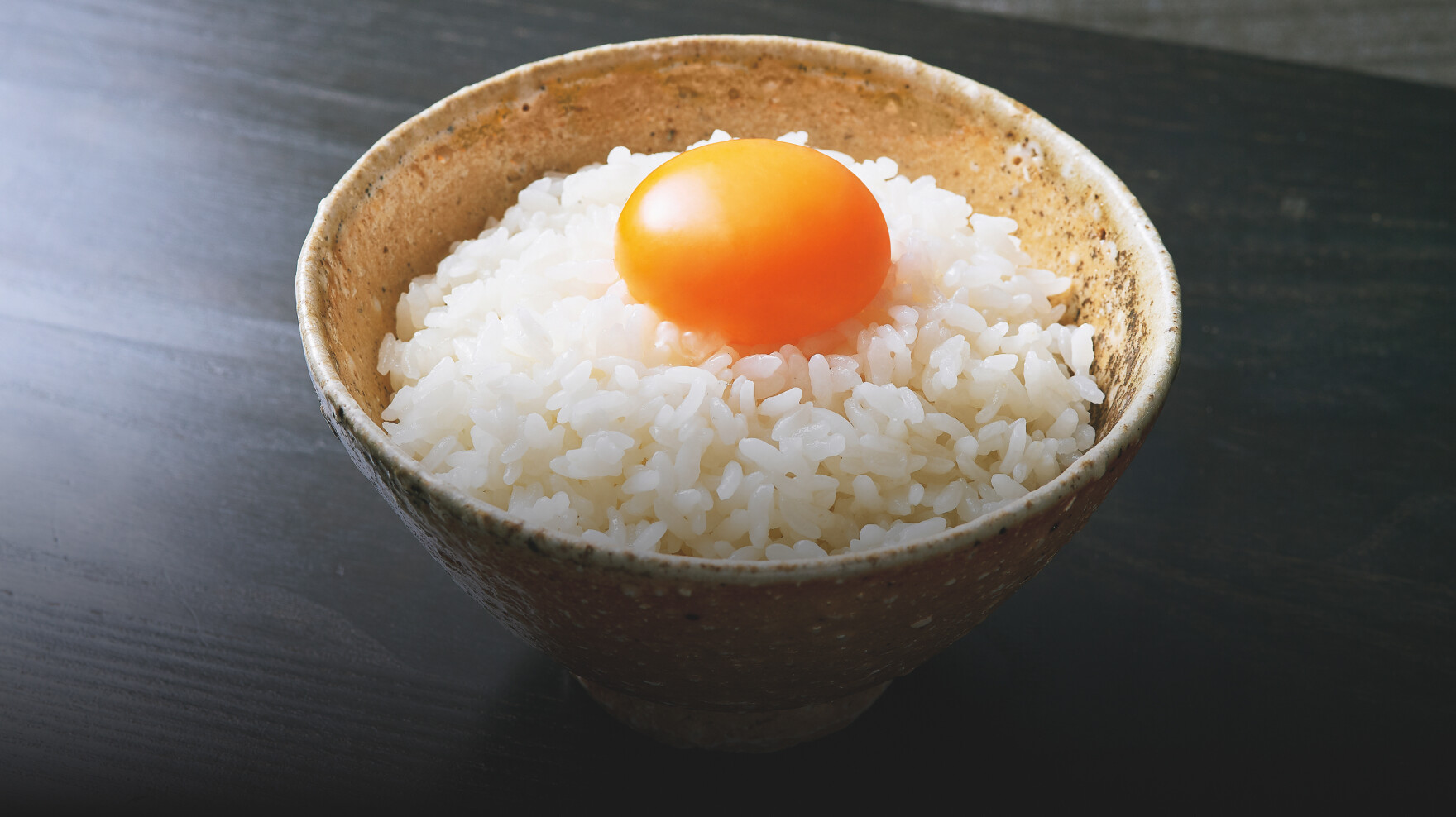
04 Raw egg on rice
Slightly chewy, sticky and won’t harden even when cold.
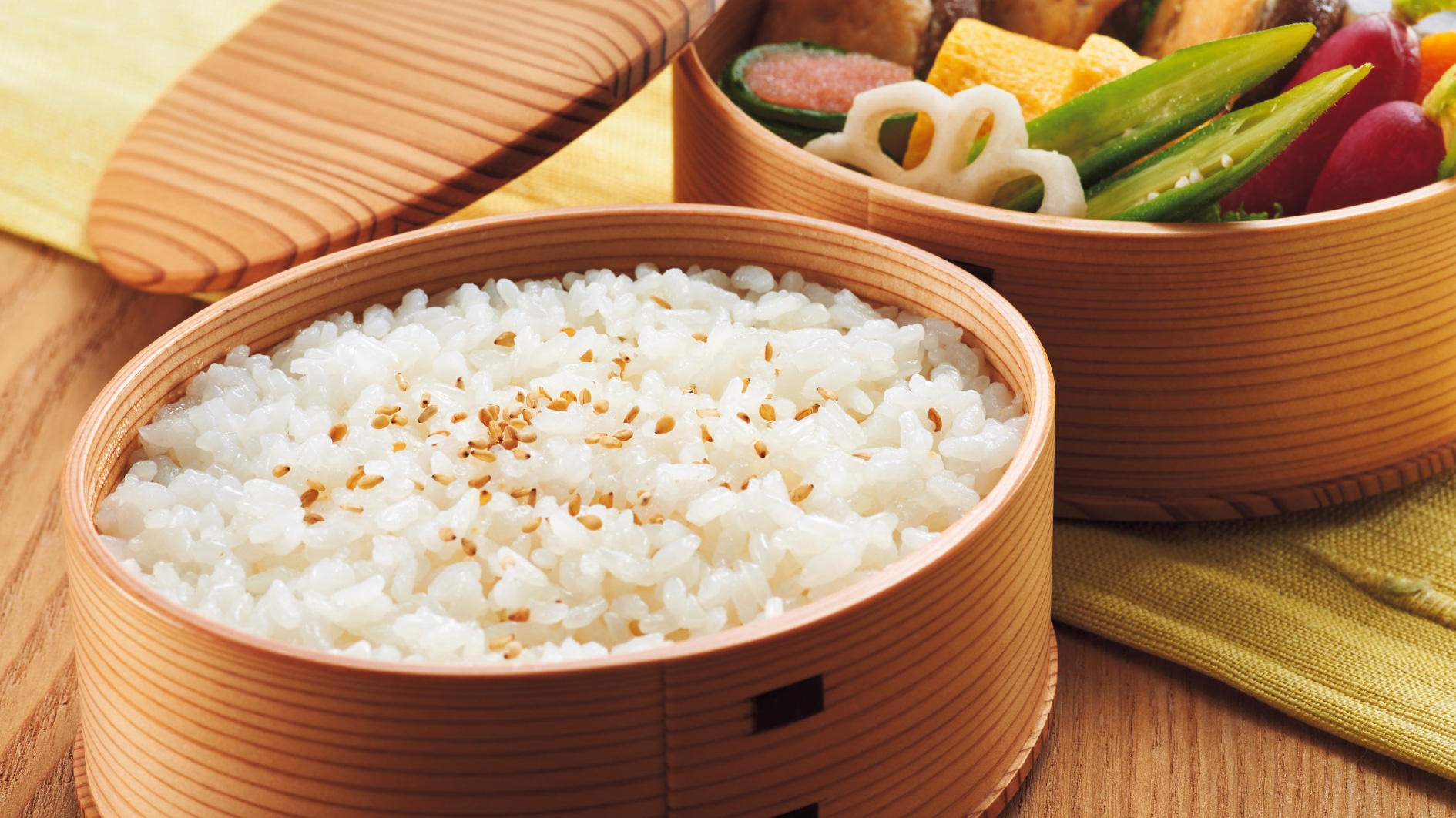
05 Bento
Soft and chewy
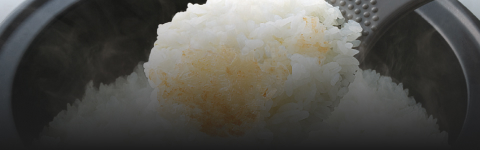
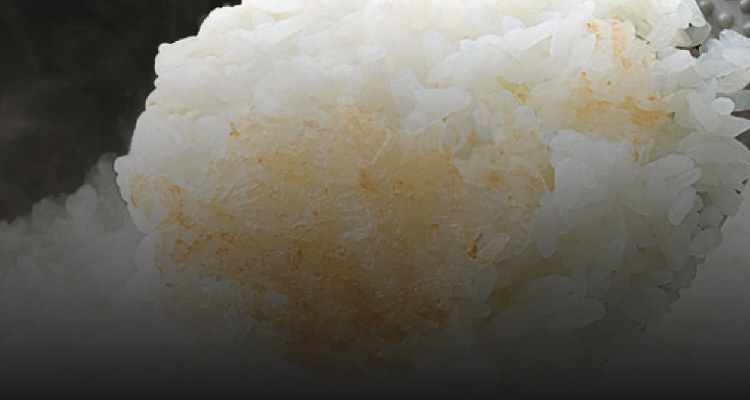
You can enjoy the aromatic scorched rice only possible in the ceramic inner pot
Three-level heat control function
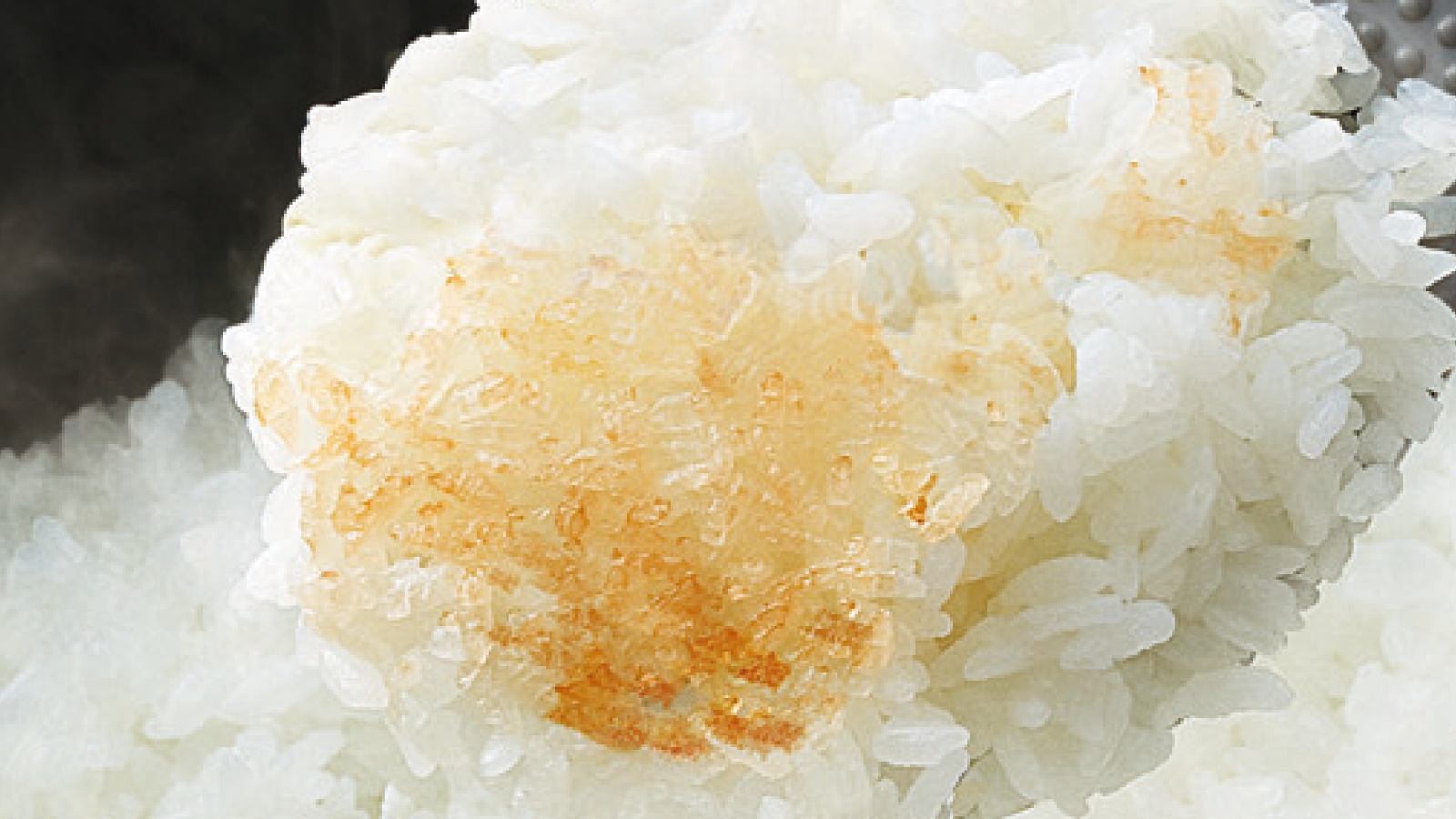
For White Rice, 1-Go Ryotei-Daki, and Mix
- * The type of rice and the amount of water used may affect the way the rice is cooked. When cooking a small amount of rice, the layer of scorched rice will be thin.
- * Due to the unique characteristics of the genuine ceramic inner pot, scorched rice may form in Ceramic Pot Pressure Induction Heating Rice Cookers even when the heat setting is low.
- * This feature is not available for Mixed/ Barley rice, Mixed/Mixed Grains, or Mixed/Brown Rice.
keeping the rice fluffy and delicious
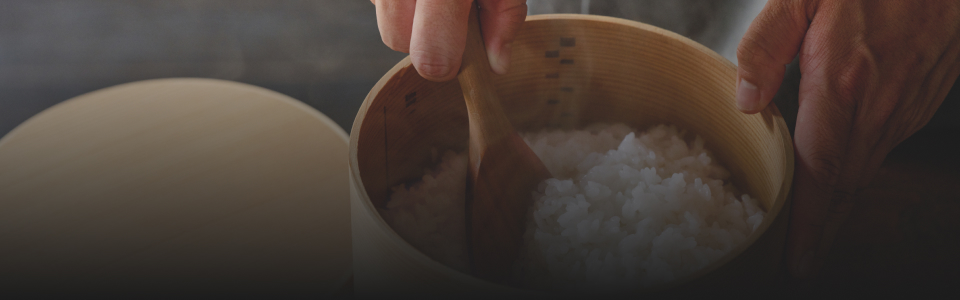
TAKUMI Ohitsu warming
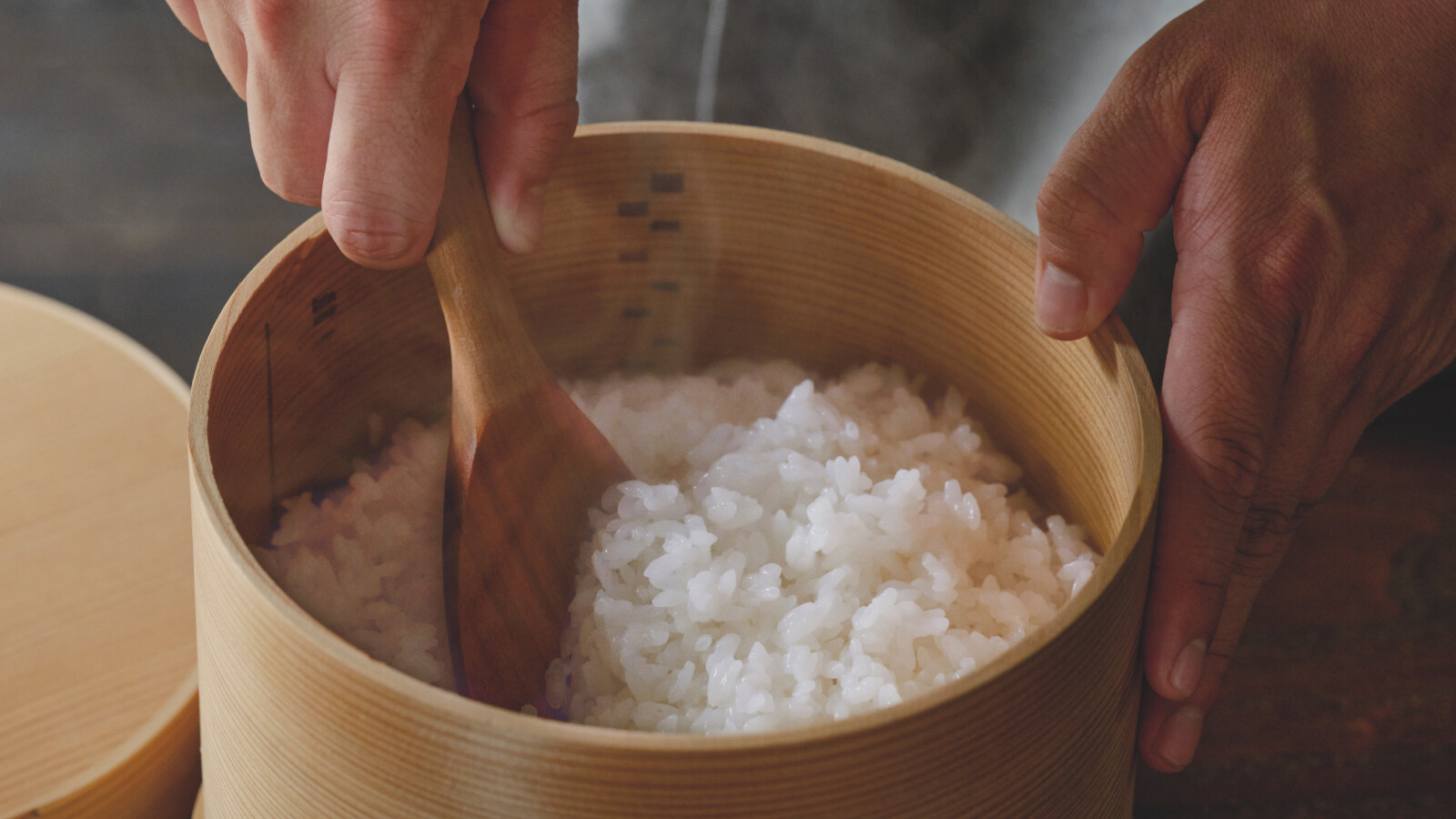
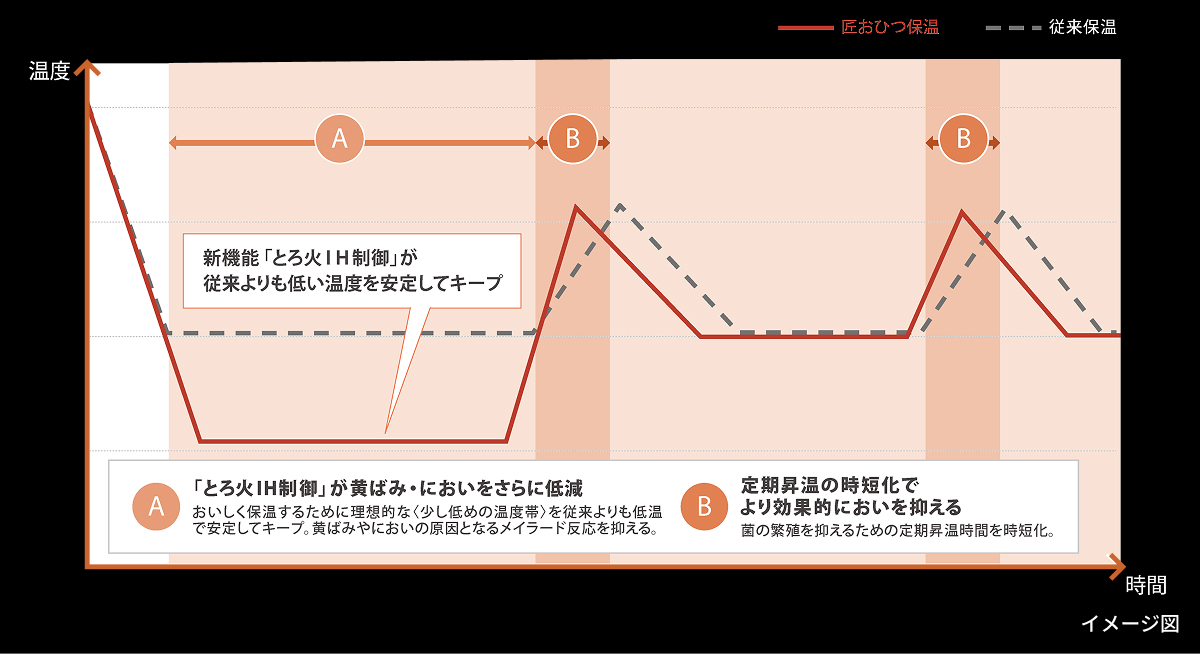
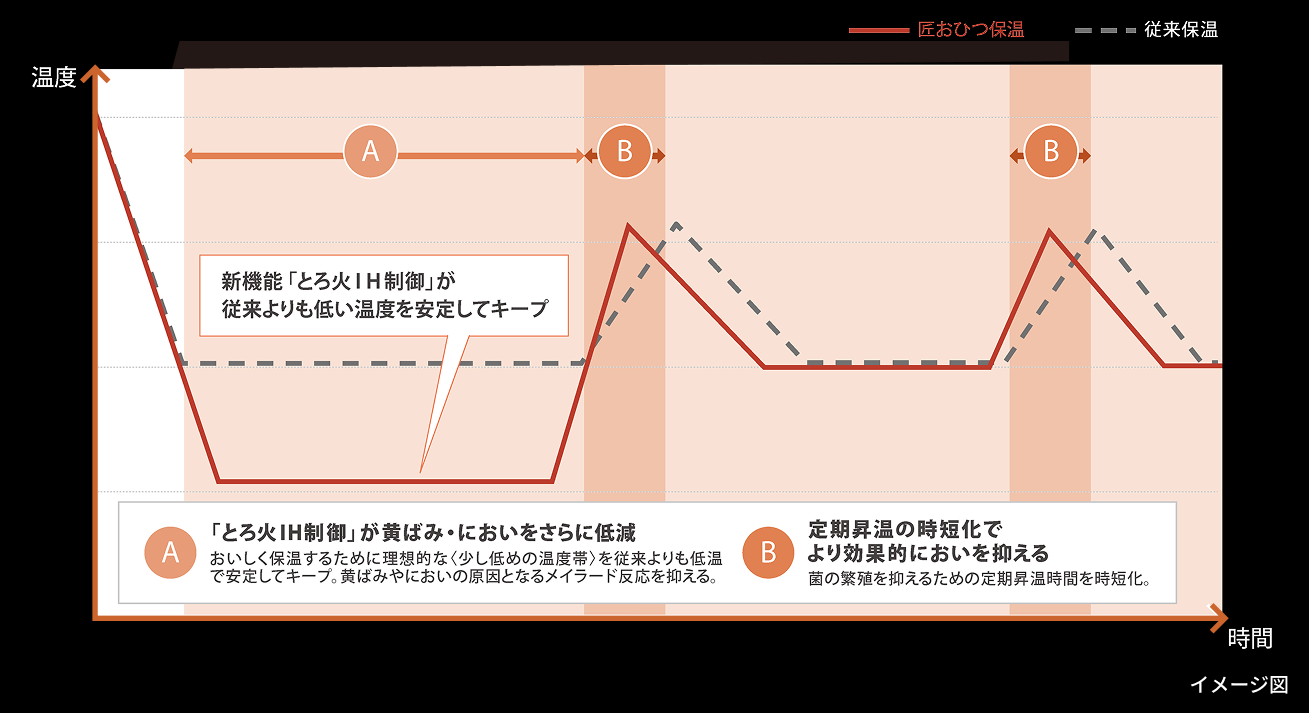
The highly evaluated Ohitsu warming of the JRX series was upgraded to the Takumi Ohitsu warming by adopting the new low-heat IH control technology. To improve keep-warm performance, which has traditionally been difficult because of the genuine ceramic inner pot's high heat-storage capacity, the temperature of the inner pot is controlled precisely by a sensor. By applying low-heat IH to the keep-warm function, the temperature is prevented from rising excessively, minimizing dryness and maintaining the ideal balance of flavor and moisture in each grain.
By maintaining uniform heat retention that envelops the entire clay pot, it suppresses yellowing, stickiness, keeping the rice fluffy and delicious for up to 24 hours.